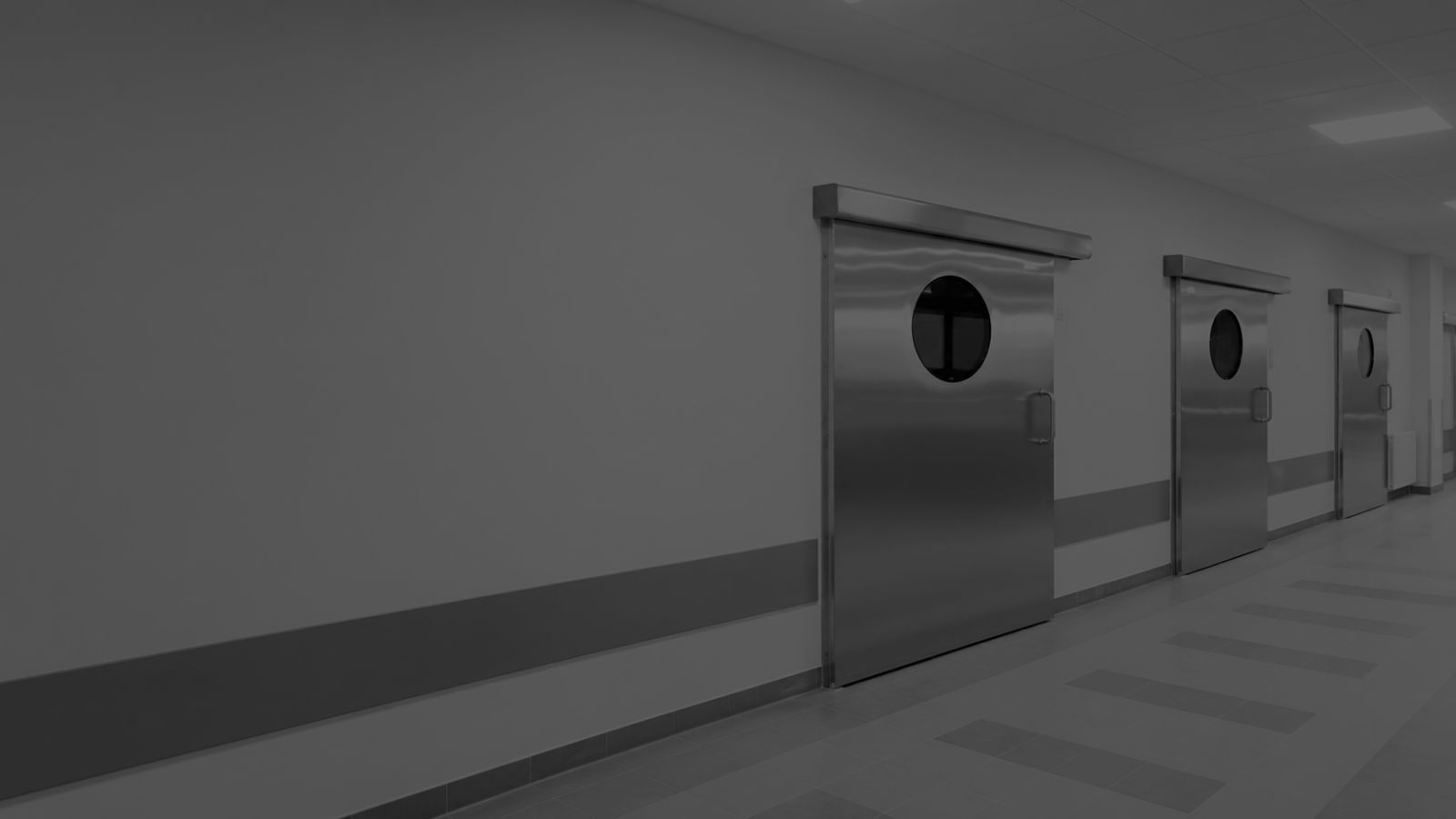
Industrial sliding doors are heavy-duty, horizontally opening door systems that travel alongside an opening rather than into the adjoining space, helping to save floor space and keep surrounding operational areas clear. This makes them particularly suited to controlled environments where swing clearance is limited and effective sealing, hygiene and temperature separation are important.
Tekta provides sliding door solutions for controlled and specialist environments, including food and beverage production, pharmaceuticals and cleanroom facilities, and temperature-controlled logistics. Our team helps clients identify suitable doorway solutions tailored to each project’s access, environmental and performance requirements from an early stage.







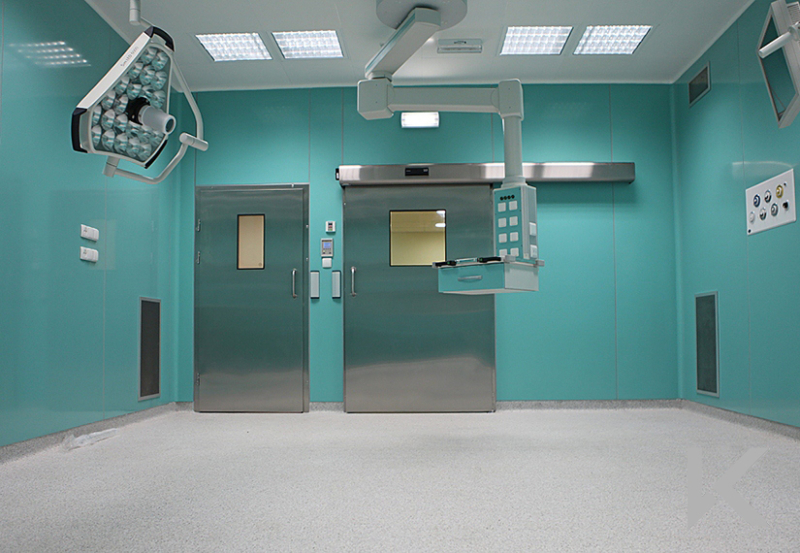
Industrial Sliding Door Solutions from Tekta
Tekta’s Thermidor, Traffidor, Pyrodor and Sanidor ranges include hygienic, hermetically sealed fire-rated and highly insulated sliding doors for demanding controlled environments.
Our specialists can help identify the most suitable sliding door solution for any project based on requirements such as clean-down and hygiene, airtightness, fire resistance and temperature-control, alongside automation and installation requirements.
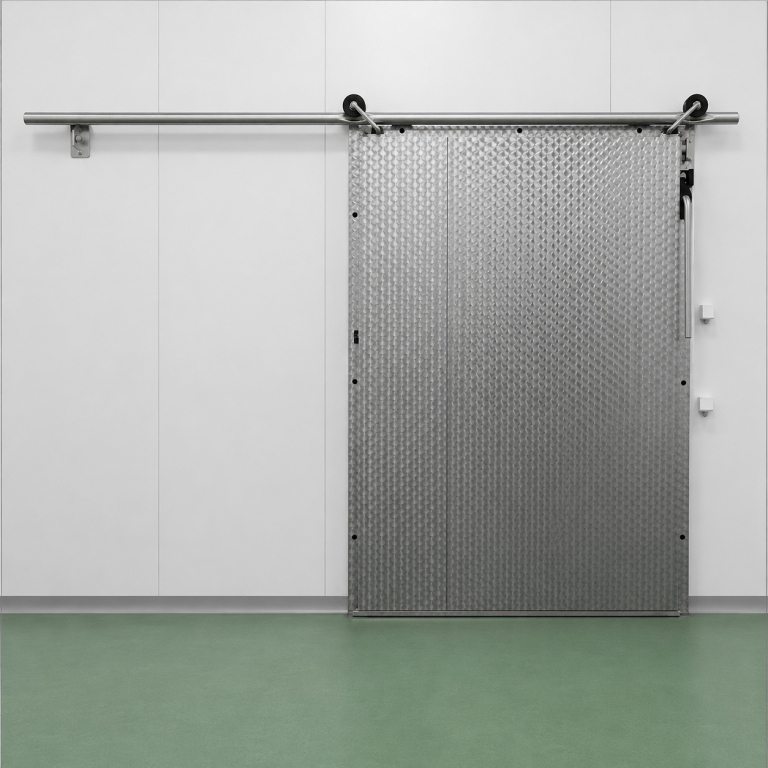
Thermidor Chill
Fully sealed sliding door, delivering exceptional insulation and temperature control for cold rooms
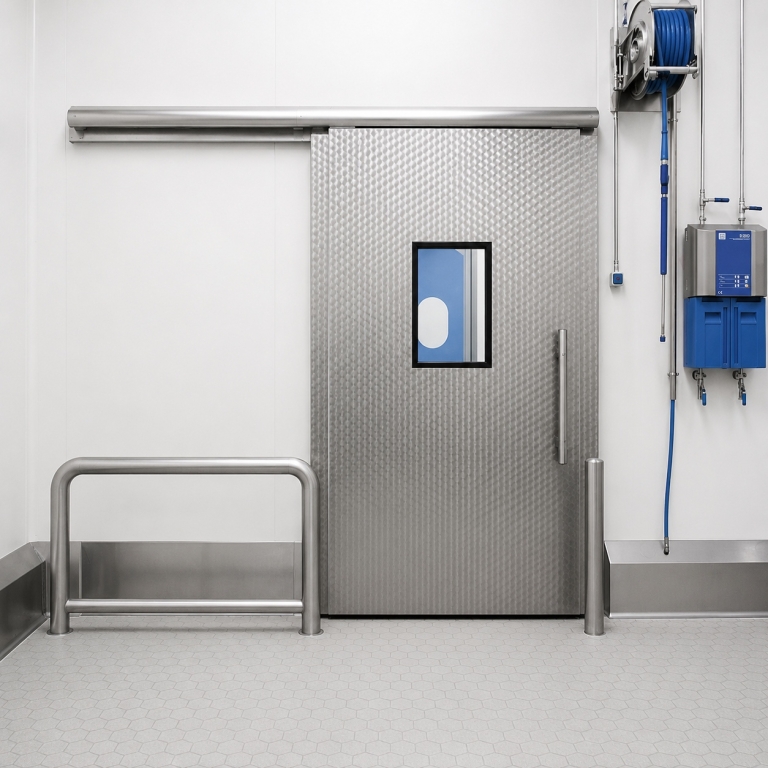
Thermidor Freeze
Fully sealed freezer room sliding door, delivering insulation and temperature control as low as -40°C
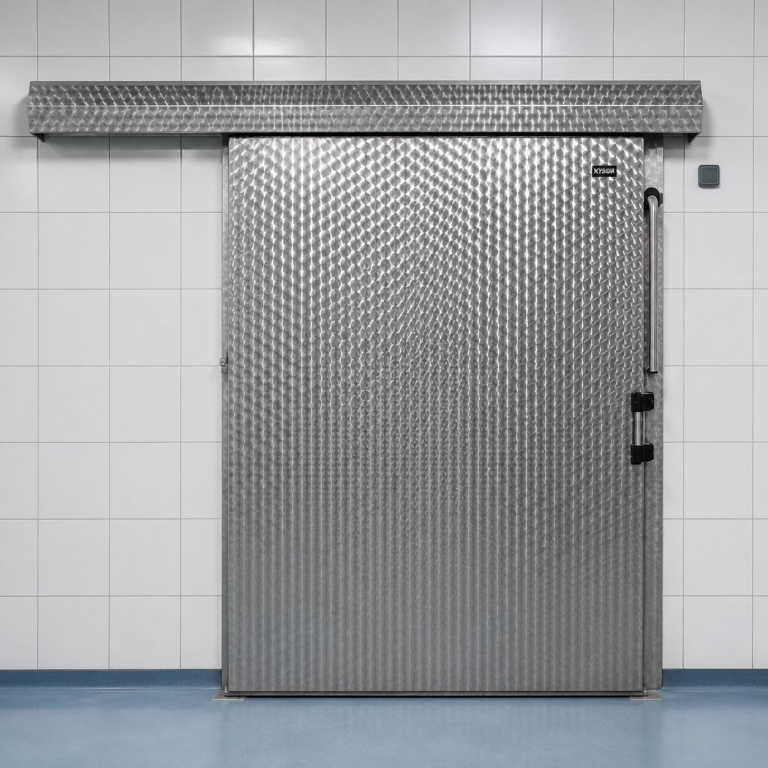

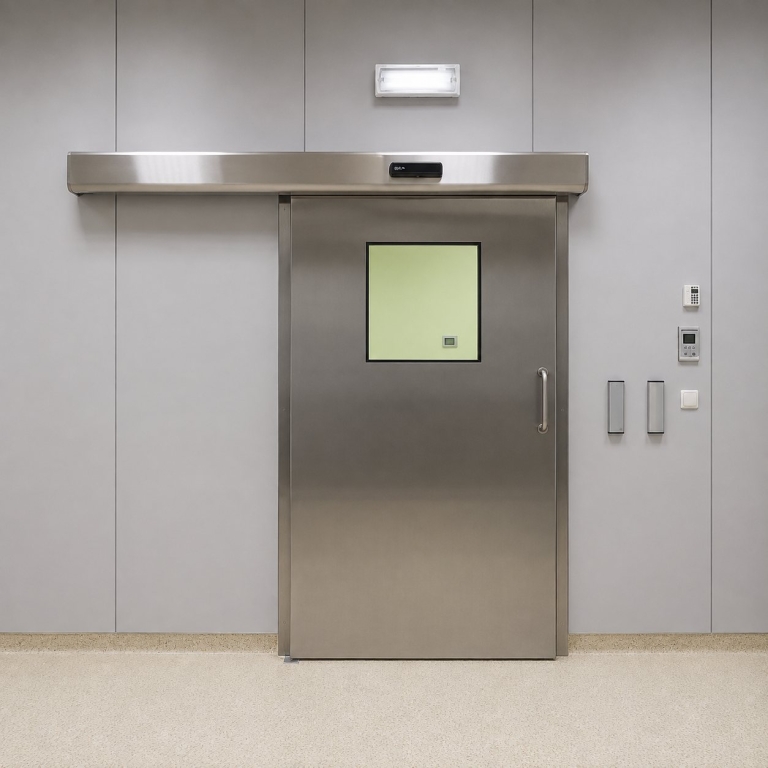
Pyrodor Glide
Steel sliding door, fire-rated up to EI(1)120 with smoke-proof performance (Sa4/S200)
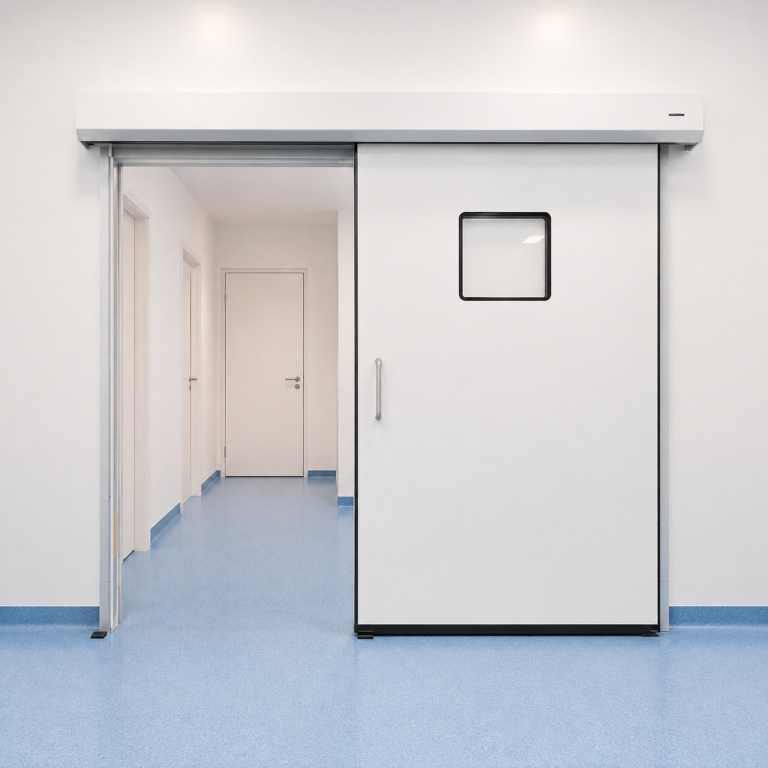
Sanidor Glissade
Hermetically sealed sliding door for optimum protection of clean environments
Featured Sliding Door Project
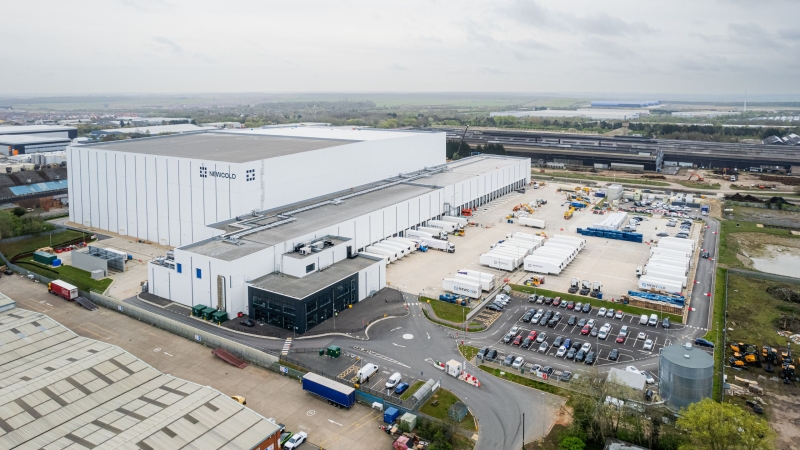
Client: NewCold
Project Value: £111,000
Project Location: West Yorkshire
Project Brief:
NewCold required a specialist door package for NewCold Wakefield III, a new warehouse development forming part of the UK’s largest deep-frozen storage and distribution centre.
Operating at –23°C, the highly automated facility required door systems capable of supporting strict temperature control, product integrity and efficient day-to-day operation within the frozen environment.
Solution:
Working collaboratively with contractor TSL and Ashton Smith Architects, Tekta delivered 2 Thermidor Freeze insulated sliding doors as part of the wider door package for the facility.
The doors provide reliable thermal separation across temperature-controlled openings, helping maintain the demanding conditions required within the cold-storage environment while reducing unnecessary energy loss.
Careful coordination with the construction team ensured installation aligned with the wider build programme, enabling the package to be completed within two months and with minimal disruption to the facility’s ongoing operations serving leading food manufacturers and retailers across the UK.
Industrial Hinged Doors FAQs
What should be considered when specifying an industrial sliding door?
An industrial sliding door should be selected according to the application, available space and required environmental performance. Key considerations include opening dimensions, lateral space for the door leaf and track, hygiene requirements, operating temperature, thermal insulation, airtightness or pressure control, traffic frequency and whether manual or automated operation is required.
The surrounding wall construction and any required fire, access-control or integration requirements should also be considered as part of the doorway design.
When is a sliding industrial door more suitable than a hinged door?
An industrial sliding door can be particularly suitable where swing clearance is restricted, a wider opening is required or surrounding operational space needs to remain unobstructed.
Because the door leaf travels laterally alongside the opening, sliding systems can also provide effective environmental separation without projecting into adjoining working areas.
What is a hermetically sealed sliding door?
A hermetically sealed sliding door is designed to create a high level of airtight separation when closed, helping control airflow and pressure between adjoining environments.
These doors are particularly suited to cleanrooms, laboratories, healthcare and other highly controlled spaces where hygiene and air-pressure management are critical. Tekta’s Sanidor Glissade combines hermetic sealing with automatic sliding operation for these applications.
Which industrial sliding doors are suitable for hygiene-critical environments?
Hygiene-critical environments typically require sliding doors with smooth, durable and easily cleaned surfaces, alongside construction that helps prevent dirt, bacteria or fluids from entering the door leaf.
Stainless-steel and seamless GRP constructions are particularly suited to cleanrooms, laboratories, pharmaceutical facilities and food production. Tekta’s Sanidor Glide uses fully welded steel construction to support hygienic operation.
Can industrial sliding doors be used in chilled and frozen environments?
Yes. Specialist insulated sliding doors can be used across chilled, cold-storage and freezer environments where effective sealing and thermal separation are essential.
Tekta’s Thermidor Chill provides a fully sealed, insulated solution designed for chilled environments operating between 0°C and 10°C, while the Thermidor Freeze is designed for sub-zero applications, with options suitable for temperatures down to -45°C. Both ranges are designed to minimise energy transfer while maintaining controlled internal conditions.
Can industrial sliding doors be automated?
Yes. Specialist insulated hinged doors can be used in chilled, cold-room and freezer environments where temperature control and effective sealing are important.
Yes. Industrial sliding doors can be manually operated or automated depending on the door system and application.
Automated operation can be particularly useful where frequent, hands-free or controlled access is required. The appropriate system should be selected around traffic frequency, hygiene and safety requirements, as well as any access-control or wider building-system integration.
How much space is required for an industrial sliding door?
An industrial sliding door requires sufficient lateral space beside the opening for the door leaf to travel when open, together with adequate support and clearance for the track system.
The precise space required depends on the opening dimensions, door configuration and track arrangement. Sliding systems can be configured as single-sliding or bi-parting doors depending on the application and available space.
What information does Tekta need to recommend an industrial sliding door?
Tekta will typically need the opening dimensions, intended application, surrounding wall construction and available space beside the opening. Information about operating temperatures, hygiene and washdown requirements, insulation, airtightness or pressure control, traffic frequency and manual or automated operation will also help identify an appropriate solution.
Drawings, door schedules and details of any access-control or surrounding building systems may also be useful.
Do industrial sliding doors require planned servicing?
Yes. Planned servicing helps maintain safe and reliable operation, identify developing wear and preserve the performance of the sliding and sealing mechanisms.
Depending on the system, maintenance may include inspection of tracks, rollers, seals, controls, automation and safety components. The appropriate servicing requirements will depend on the door type, frequency of use and operating environment.
The Door & Hardware Federation (DHF) provides further guidance on the maintenance responsibilities for industrial doors and shutters.
Learn more about Tekta’s industrial door servicing.