Ensuring Your Industrial Door Servicing Is Done Properly

0 min read
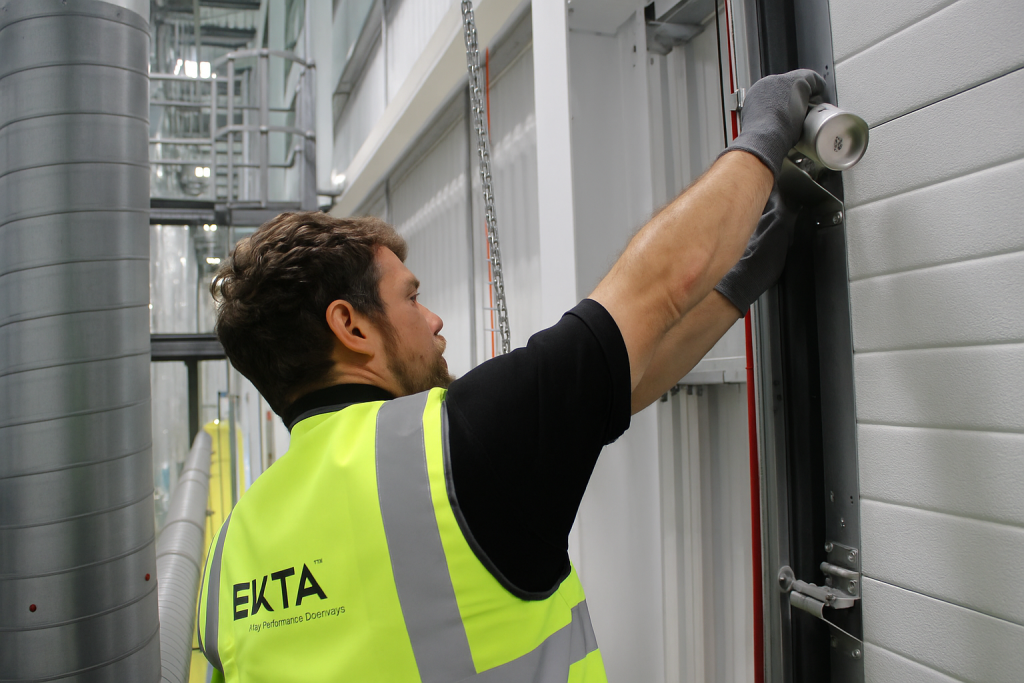
Servicing done properly
Industrial doors play a vital role in keeping your premises secure, efficient, and compliant with safety regulations. Whether you operate roller shutters, sectional overhead doors, or fast-action doors, regular servicing is essential. However, not all servicing is equal. To make sure your doors are maintained correctly and to avoid costly breakdowns or compliance issues it’s important to know what to look for.
Here are the key checks to ensure your industrial door servicing is being done properly:
1. Comprehensive Inspection Checklist
A quality service visit should follow a structured checklist covering all key components, motors, springs, cables, rollers, control panels, safety edges, and sensors. Ask your provider to share this checklist with you. A vague “visual inspection” isn’t enough; every moving and safety-critical part should be tested, adjusted, and lubricated as required.
2. Functional and Safety Testing
A proper service includes testing how the door operates in real conditions. This means checking that opening and closing speeds are within safe limits, the door reverses correctly when obstructed, and emergency stops function properly. Safety devices such as photocells, pressure edges, and manual release systems should all be verified to ensure compliance with UK Health & Safety regulations and BS EN 12453 standards.
3. Detailed Service Report
You should receive a full written report after each visit. This should list all work completed, any issues found, and recommendations for repairs or replacements. If you only receive a “tick sheet” with no notes or photos, ask for more detail. Good contractors use digital service records, often with timestamps and images, for transparency.
4. Trained and Certified Engineers
Always confirm that the servicing is carried out by competent, certified engineers. Look for credentials such as DHF (Door & Hardware Federation) training. Qualified technicians ensure your doors meet legal requirements for safe operation.
5. Evidence of Preventive Maintenance
Servicing isn’t just about fixing faults, it’s about preventing them. The engineer should clean, lubricate, and adjust key parts to extend lifespan and prevent failures. If your doors still develop frequent issues, it may be a sign your service isn’t thorough enough.
6. Compliance and Documentation
Finally, ensure your maintenance records are up to date. These documents are vital for insurance and health & safety compliance. A reputable service provider will help you maintain this paperwork properly.
MORE FROM TEKTA
- Introducing Modus
 Door specification is complex. Multiple requirements, hundreds of decisions and dependencies between door performance, operation and ironmongery can make producing a comprehensive door schedule challenging. Modus has been developed to bring structure, clarity and confidence to that process. We’re pleased to announce the launch of Modus, the specification portal for the complete door process. Modus… Read more: Introducing Modus
 - We’re exhibiting at cold chain live
 Tekta is excited to be exhibiting at Cold Chain Live 2026, taking place on 13–14 October at Telford International Centre. As the flagship event for the UK’s temperature-controlled supply chain, Cold Chain Live brings together more than 400 industry professionals, including cold storage operators, logistics specialists, manufacturers and suppliers. This year’s theme, The Future of… Read more: We’re exhibiting at cold chain live
 - UK made cleanroom door
 In pharmaceutical manufacturing, laboratories and cleanrooms, maintaining hygiene, controlling airflow and keeping operations moving efficiently are critical. Tekta’s new UK-made Rapidor Pharma high-speed door has been developed specifically for these demanding environments, combining rapid operation with hygienic construction and excellent air-permeability performance. Designed for cleanrooms, pharmaceutical facilities, laboratories and other controlled environments, the Rapidor Pharma… Read more: UK made cleanroom door
 - Make UK Defence Members
 We’re pleased to announce that Tekta is now a member of Make UK Defence, marking an exciting step as we continue to strengthen our presence and relationships within the UK defence sector. Make UK Defence represents organisations across the UK’s defence and security supply chain, bringing together businesses of all sizes to encourage collaboration, share… Read more: Make UK Defence Members