Understanding Fire Door Ratings in Portugal

0 min read

Portuguese Fire Ratings
Fire safety is a critical component of modern building design, and in Portugal, the regulations governing fire-rated doors (portas corta-fogo) are designed to ensure a high level of protection for occupants and property. Whether you’re a homeowner, builder, or facility manager, understanding how fire ratings work, and what they mean for compliance, is essential.
In Portugal, fire doors are regulated primarily under the Regulamento Técnico de Segurança Contra Incêndio em Edifícios (SCIE), which sets performance requirements for fire-resistant building components. Fire doors must be tested and classified according to European standards, most commonly EN 1634-1, which evaluates how long a door can withstand fire exposure while maintaining its integrity and insulation.
Fire ratings are expressed in minutes and typically fall into classifications such as EI30, EI60, or EI90. The letters have specific meanings:
-
E (Integrity) refers to the door’s ability to prevent flames and hot gases from passing through.
-
I (Insulation) measures how well the door limits heat transfer to the non-fire side.
An EI60 fire door, for example, must maintain both integrity and insulation for at least 60 minutes during testing. The appropriate rating depends on the type of building, its occupancy, and the location of the door—escape routes, stairwells, and high-risk zones often require higher-rated doors.
To be compliant in Portugal, fire-rated doors must also carry proper certification and labeling, showing the manufacturer, fire rating, and test reference. It’s not enough for a door to be made with fire-resistant materials; it must be installed according to approved specifications, including the frame, hardware, intumescent seals, and closing mechanisms. A certified door that is poorly installed may not perform as expected during a fire.
Regular maintenance and inspection are also part of compliance. Portuguese fire safety regulations require that fire doors be kept functional: they must close automatically, latch securely, and remain unobstructed at all times. Common issues like damaged seals, propped-open doors, or faulty closers can compromise performance and lead to inspection failures.
For anyone involved in construction or building management in Portugal, choosing the correct fire rating and ensuring compliance is not only a legal requirement but also a critical step in protecting lives. Understanding these ratings helps ensure that every building meets the highest safety standards while contributing to safer communities across the country.
MORE FROM TEKTA
- Tekta are taking on Snowdon
 At Tekta UK, we’re used to delivering performance where it matters. This time, we’re putting that mindset to the test, climbing Snowdon to support Rowans Hospice. Snowdon isn’t an easy climb. It’s tough, unpredictable, and demands resilience, all things we understand. As a high-performance doorway provider, we build solutions that are made to perform under… Read more: Tekta are taking on Snowdon
 - Quiz Night
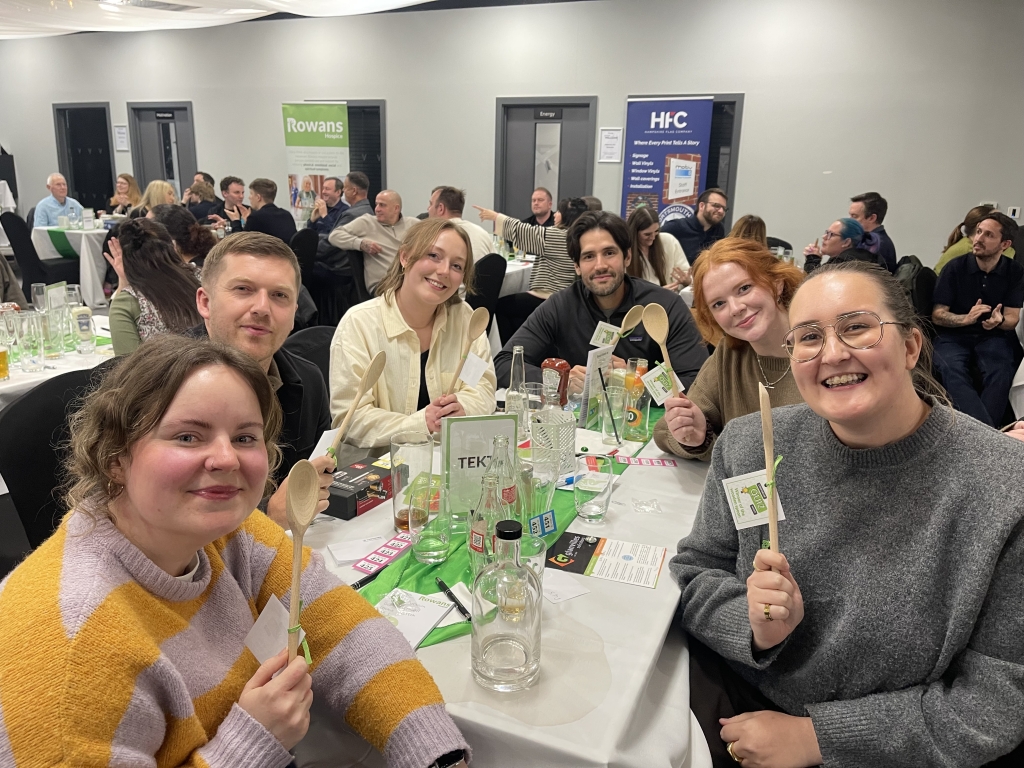 Tekta Takes on the Rowans Hospice Corporate Quiz Night Recently, six members of the Tekta team swapped doors and spreadsheets for trivia questions and answer sheets as we attended the Rowans Hospice Corporate Quiz Night at the Village Hotel Portsmouth. The evening brought together local businesses, supporters and friends of the hospice for a night… Read more: Quiz Night
 - Land’s End to John O’Groats
 Tekta’s First Charity Challenge: Walking the Distance Together At Tekta, teamwork doesn’t stop when the working day ends. This February, our team came together to take on our first charity challenge of the year, walking the distance from Land’s End to John O’Groats, all in support of our charity partner, Rowans Hospice. For those who… Read more: Land’s End to John O’Groats
 - Team Tekta Day
 Coming Together at Chevron House: Celebrating Our Team and a Strong Start to the Year A week ago, we brought together our Central Hub team and Fleet of Engineers at our new Chevron House for a special day of connection, celebration and reflection. After a blazing start to Q1, it felt like the perfect moment… Read more: Team Tekta Day