Fire Control in dry rooms

0 min read
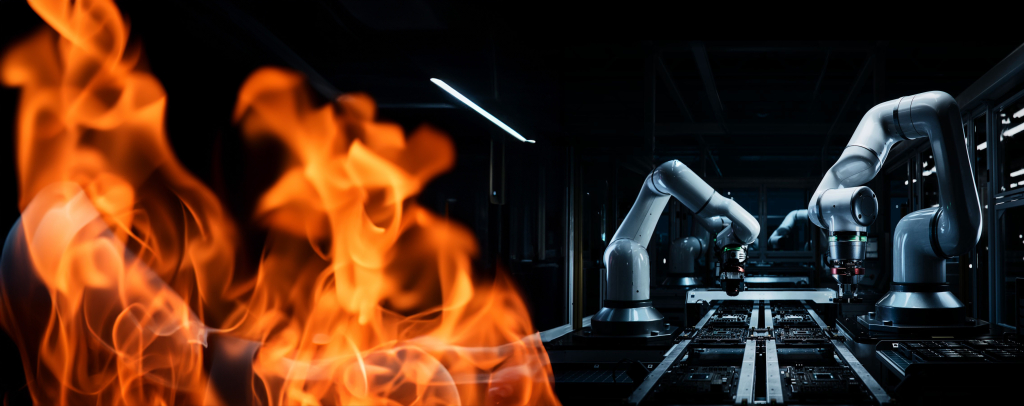
The Importance of Fire Control in Dry Rooms within Warehouses and Manufacturing Facilities
In today’s fast-paced industrial and logistics environments, safety and operational reliability are paramount. Among the many risks warehouses and manufacturing facilities face, fire hazards remain one of the most serious. This is particularly true in dry rooms, specialised controlled environments often used for storage, assembly, or manufacturing processes where low humidity is required. Effective fire control in these areas is not just a compliance issue, but a critical factor in protecting assets, employees, and business continuity.
Why Dry Rooms Pose Unique Fire Risks
Unlike standard workspaces, dry rooms are engineered to maintain extremely low levels of moisture. This lack of humidity is crucial for sensitive processes such as battery manufacturing, electronics assembly, or chemical handling. However, the absence of moisture also means the environment can become more prone to static electricity and rapid fire spread. Materials stored in these rooms, such as powders, solvents, or lithium-based components can ignite more easily, making fire control systems essential.
Safeguarding People and Products
Fires in dry rooms present a dual threat to human life and to high-value products. Employees working in these spaces are often in close proximity to flammable materials. At the same time, the goods being stored or manufactured are frequently specialised, expensive, and difficult to replace. Even a small fire can result in millions in losses, extended downtime, and reputational damage. Implementing advanced fire suppression systems ensures that risks are minimized without compromising the delicate environmental conditions required.
Balancing Fire Suppression with Environmental Control
Traditional water-based sprinkler systems are often unsuitable for dry rooms, as excess moisture can damage sensitive equipment and materials. Instead, facilities turn to solutions such as clean agent suppression systems, inert gases, or dry chemical alternatives. These methods quickly extinguish flames while preserving the controlled atmosphere. Integrating fire detection technologies, such as aspirating smoke detectors, further enhances early warning capabilities and rapid response.
Compliance and Business Continuity
Beyond immediate safety, fire control in dry rooms is also a matter of compliance. Regulatory bodies and insurance providers demand robust fire protection measures in high-risk industrial environments. Failure to meet these standards can lead to fines, legal liability, or denied claims in the aftermath of an incident. More importantly, effective fire control safeguards the continuity of operations, ensuring that production and supply chains remain resilient even in the face of unexpected emergencies.
Investing in fire control for dry rooms is not simply about meeting safety codes—it is about protecting people, preserving valuable assets, and sustaining long-term business viability. As warehouses and manufacturing facilities continue to evolve, prioritizing fire safety in these specialized environments is a non-negotiable commitment to operational excellence.
MORE FROM TEKTA
- Tekta are taking on Snowdon
 At Tekta UK, we’re used to delivering performance where it matters. This time, we’re putting that mindset to the test, climbing Snowdon to support Rowans Hospice. Snowdon isn’t an easy climb. It’s tough, unpredictable, and demands resilience, all things we understand. As a high-performance doorway provider, we build solutions that are made to perform under… Read more: Tekta are taking on Snowdon
 - Quiz Night
 Tekta Takes on the Rowans Hospice Corporate Quiz Night Recently, six members of the Tekta team swapped doors and spreadsheets for trivia questions and answer sheets as we attended the Rowans Hospice Corporate Quiz Night at the Village Hotel Portsmouth. The evening brought together local businesses, supporters and friends of the hospice for a night… Read more: Quiz Night
 - Land’s End to John O’Groats
 Tekta’s First Charity Challenge: Walking the Distance Together At Tekta, teamwork doesn’t stop when the working day ends. This February, our team came together to take on our first charity challenge of the year, walking the distance from Land’s End to John O’Groats, all in support of our charity partner, Rowans Hospice. For those who… Read more: Land’s End to John O’Groats
 - Team Tekta Day
 Coming Together at Chevron House: Celebrating Our Team and a Strong Start to the Year A week ago, we brought together our Central Hub team and Fleet of Engineers at our new Chevron House for a special day of connection, celebration and reflection. After a blazing start to Q1, it felt like the perfect moment… Read more: Team Tekta Day