Door considerations for the food industry

0 min read
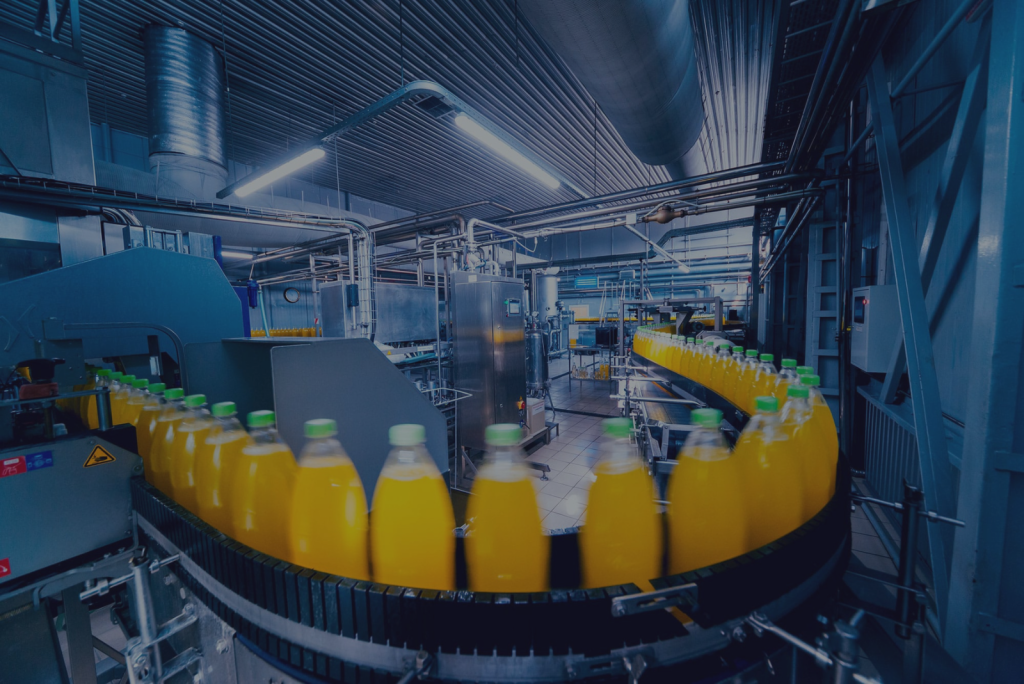
Food Industry Control Considerations for Doors
In the food and beverage industry, doors are far more than simple access points. They play a critical role in hygiene, safety, efficiency, and regulatory compliance. Careful consideration of door design, materials, and control systems is essential to maintaining a safe and productive food processing environment.
One of the primary control considerations for doors in food facilities is hygiene. Doors must support strict sanitation standards and prevent contamination between zones. Smooth, non-porous materials such as stainless steel, GRP, or food-grade plastics are commonly used because they resist corrosion and are easy to clean. Automated doors reduce the need for manual contact, minimising the risk of cross-contamination caused by hands, forklifts, or pallet trucks moving between raw and finished product areas.
Environmental control is another key factor. Doors play a major role in maintaining temperature, humidity, and air pressure differentials. In chilled, frozen, or cleanroom environments, poorly controlled door operation can lead to temperature fluctuations, condensation, and energy loss. High-speed doors with intelligent control systems help reduce open times, preserving cold chains and reducing refrigeration costs. Interlocking door systems are often used to maintain pressure separation between hygiene zones, ensuring that airflow always moves from clean to less-clean areas.
Safety is equally important. Door controls must integrate with site safety systems to protect both personnel and equipment. This includes presence detection sensors, emergency stop functions, and soft bottom edges to prevent injury. In high-traffic areas, doors should be programmed for predictable, consistent operation to reduce collision risks with forklifts or automated guided vehicles (AGVs). Fire safety requirements may also dictate door behaviour, such as automatic closing or fail-safe opening in emergency situations.
Regulatory compliance heavily influences door control strategies in food facilities. Standards such as HACCP, BRCGS, and ISO 22000 require facilities to demonstrate control over contamination risks and process flow. Door access controls, audit trails, and zoning logic can support compliance by restricting access to sensitive areas and providing clear evidence of controlled movement throughout the site.
Finally, reliability and maintainability should not be overlooked. Food production often operates around the clock, and door failures can disrupt workflows or compromise hygiene. Robust control systems, remote monitoring, and preventative maintenance capabilities help ensure doors perform consistently under demanding conditions.
In summary, doors in the food industry are integral control points within the production environment. By carefully considering hygiene, environmental control, safety, compliance, and reliability, food manufacturers can use door systems to protect product quality, improve efficiency, and meet the industry’s strict regulatory demands.
MORE FROM TEKTA
- Tekta are taking on Snowdon
 At Tekta UK, we’re used to delivering performance where it matters. This time, we’re putting that mindset to the test, climbing Snowdon to support Rowans Hospice. Snowdon isn’t an easy climb. It’s tough, unpredictable, and demands resilience, all things we understand. As a high-performance doorway provider, we build solutions that are made to perform under… Read more: Tekta are taking on Snowdon
 - Quiz Night
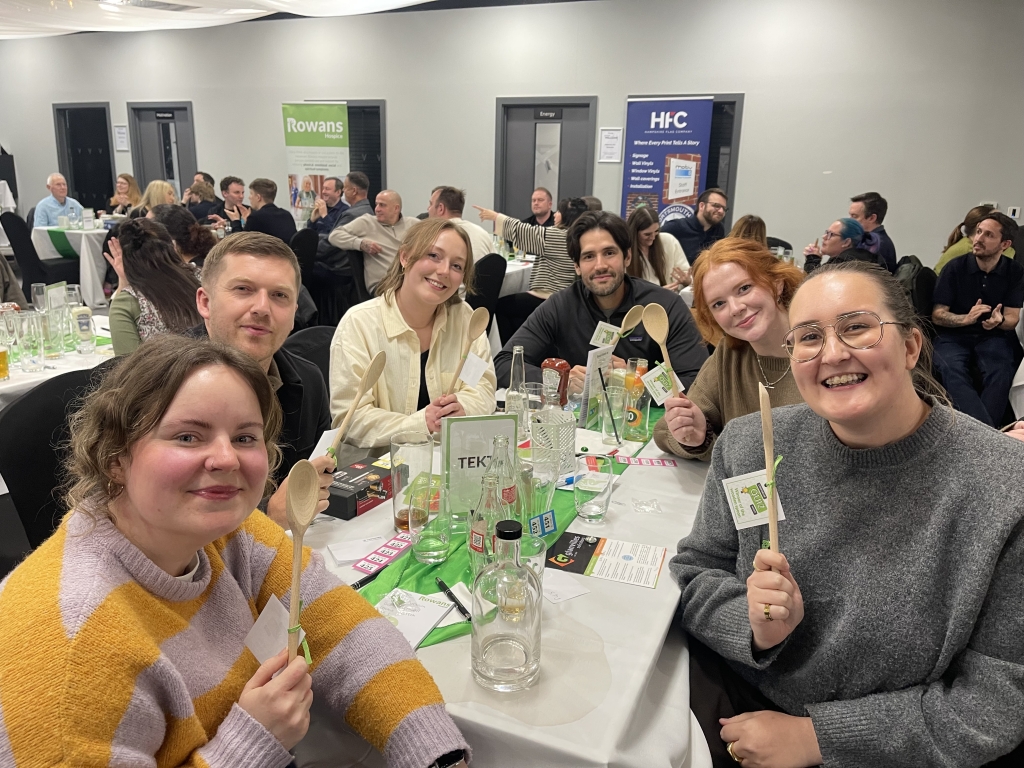 Tekta Takes on the Rowans Hospice Corporate Quiz Night Recently, six members of the Tekta team swapped doors and spreadsheets for trivia questions and answer sheets as we attended the Rowans Hospice Corporate Quiz Night at the Village Hotel Portsmouth. The evening brought together local businesses, supporters and friends of the hospice for a night… Read more: Quiz Night
 - Land’s End to John O’Groats
 Tekta’s First Charity Challenge: Walking the Distance Together At Tekta, teamwork doesn’t stop when the working day ends. This February, our team came together to take on our first charity challenge of the year, walking the distance from Land’s End to John O’Groats, all in support of our charity partner, Rowans Hospice. For those who… Read more: Land’s End to John O’Groats
 - Team Tekta Day
 Coming Together at Chevron House: Celebrating Our Team and a Strong Start to the Year A week ago, we brought together our Central Hub team and Fleet of Engineers at our new Chevron House for a special day of connection, celebration and reflection. After a blazing start to Q1, it felt like the perfect moment… Read more: Team Tekta Day