Door considerations for Pharma & Cleanrooms

0 min read

Internal and External Door Considerations for the Pharmaceutical and Cleanroom Industry
In the pharmaceutical and cleanroom sectors, every design choice contributes to the integrity, safety, and efficiency of controlled environments. Among these considerations, door systems, both internal and external, play a critical role. They influence contamination control, workflow efficiency, compliance, and overall facility resilience. Selecting the right door solutions is therefore essential for any organisation working within GMP, MHRA, or ISO-classified spaces.
Hygiene and Cleanability
For internal cleanroom doors, hygiene is the primary concern. Materials must be non-porous, resistant to aggressive cleaning agents, and easy to sanitise. Stainless steel, GRP (glass-reinforced polyester), and powder-coated steel are among the most common choices. Flush surfaces, concealed hardware, and minimal ledges reduce the risk of particle build-up and support compliance with stringent microbial control standards. Vision panels should be fully flush-glazed and sealed to avoid harbouring contaminants.
Pressure Control and Airflow Integrity
Internal doors must also support the facility’s pressure cascade. Whether maintaining positive pressure in sterile suites or negative pressure in containment areas, doors should ensure airtight sealing. Options such as hermetically sealed sliding doors, interlocking systems, and automatic closing mechanisms help maintain consistent environmental conditions. Interlocks are particularly important for preventing simultaneous door openings between spaces with differing pressure levels.
Traffic Flow and Automation
With high-traffic areas common in pharmaceutical production, automation can streamline workflow while reducing contact points. Touchless activation via sensors, wave switches, or access control systems, minimises contamination risk. For material transfer zones, rapid-roll doors offer speed, durability, and improved containment.
Compliance and Documentation
The UK regulatory landscape requires full traceability and validated performance. Doors must be compliant with relevant standards such as EN 14644 for cleanrooms and GMP guidelines. This includes demonstrating airtightness, durability under repeated cleaning cycles, and suitability for the intended ISO class or GMP grade. Suppliers should provide full documentation packages, including test results, maintenance guidance, and material certifications.
External Door Considerations
External doors present additional challenges. They must offer weather resistance, robust security, and insulation while maintaining the controlled environment inside. Thermal efficiency is especially relevant in the UK climate, helping reduce energy consumption and protect sensitive materials. Where external doors connect directly to clean zones, airlocks or enclosed vestibules are essential to prevent unfiltered air ingress.
Choosing the right door systems is foundational to maintaining compliance, safety, and operational efficiency in UK pharmaceutical and cleanroom facilities. With the right materials, sealing performance, automation, and documentation, door systems can significantly enhance the reliability and resilience of controlled environments.
MORE FROM TEKTA
- Tekta are taking on Snowdon
 At Tekta UK, we’re used to delivering performance where it matters. This time, we’re putting that mindset to the test, climbing Snowdon to support Rowans Hospice. Snowdon isn’t an easy climb. It’s tough, unpredictable, and demands resilience, all things we understand. As a high-performance doorway provider, we build solutions that are made to perform under… Read more: Tekta are taking on Snowdon
 - Quiz Night
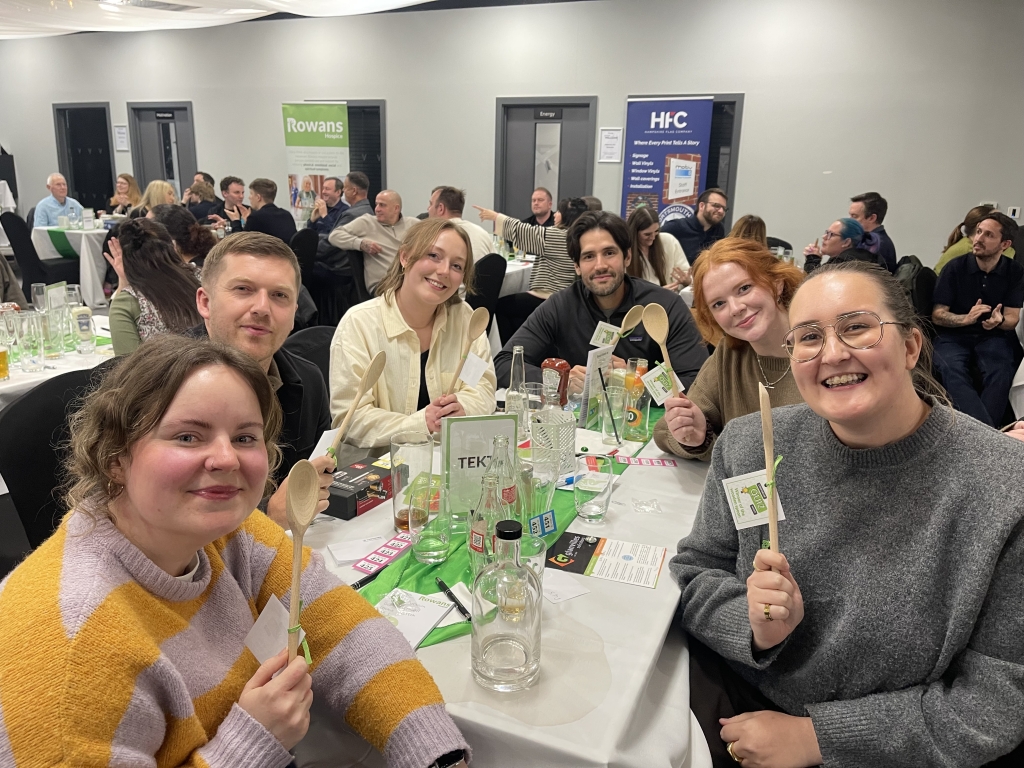 Tekta Takes on the Rowans Hospice Corporate Quiz Night Recently, six members of the Tekta team swapped doors and spreadsheets for trivia questions and answer sheets as we attended the Rowans Hospice Corporate Quiz Night at the Village Hotel Portsmouth. The evening brought together local businesses, supporters and friends of the hospice for a night… Read more: Quiz Night
 - Land’s End to John O’Groats
 Tekta’s First Charity Challenge: Walking the Distance Together At Tekta, teamwork doesn’t stop when the working day ends. This February, our team came together to take on our first charity challenge of the year, walking the distance from Land’s End to John O’Groats, all in support of our charity partner, Rowans Hospice. For those who… Read more: Land’s End to John O’Groats
 - Team Tekta Day
 Coming Together at Chevron House: Celebrating Our Team and a Strong Start to the Year A week ago, we brought together our Central Hub team and Fleet of Engineers at our new Chevron House for a special day of connection, celebration and reflection. After a blazing start to Q1, it felt like the perfect moment… Read more: Team Tekta Day